
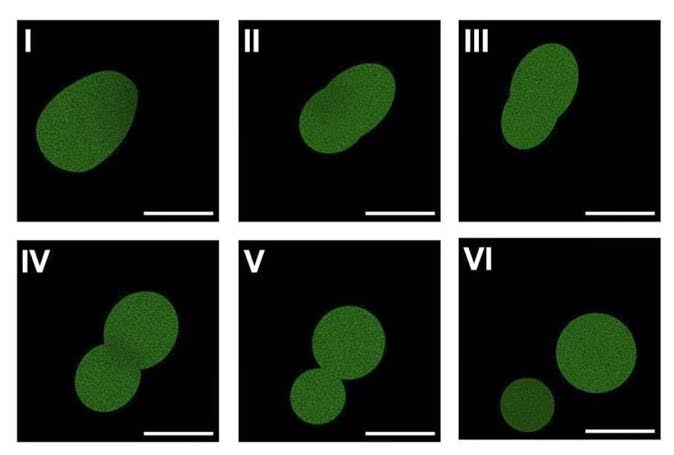
the first synthetic cell, constructed and cultured by researchers from the University of Minnesota, under the auspices of biotechnology nonprofit Biotic. According to an announcement from the organization, the so-called “SpudCell” consists of a 90,000 base-pair genome (these genetic building blocks split between several separate DNA plasmids), 36 enzymes, and a simplified lipid membrane.
applications include targeted drug delivery, environmental bioremediation (cleaning pollutants), biomanufacturing of sustainable fuels and food, and acting as smart biosensors for disease detection